
P/E Ratio
Also known as price to earnings, PE
The price-to-earnings ratio is a company's share price divided by its earnings per share: what investors pay for each unit of profit.
Why It Matters
It is shorthand for expectations. A high multiple says the market expects growth; it also means disappointment is expensive.
Related Terms
- ValuationValuation is the price placed on a company, derived from what buyers will pay, from its earnings or cash flow, or from comparison with similar businesses.
- EBITDAEBITDA is earnings before interest, tax, depreciation and amortisation: a measure of operating profit before financing and before the cost of assets already bought.
- Free Cash FlowFree cash flow is the cash a business generates from operations after the capital spending needed to keep it running.
- Risk PremiumA risk premium is the extra return investors require for holding a riskier asset instead of a safe one.
VANTAGE52 Coverage
Published reporting filed under the topics behind this concept.
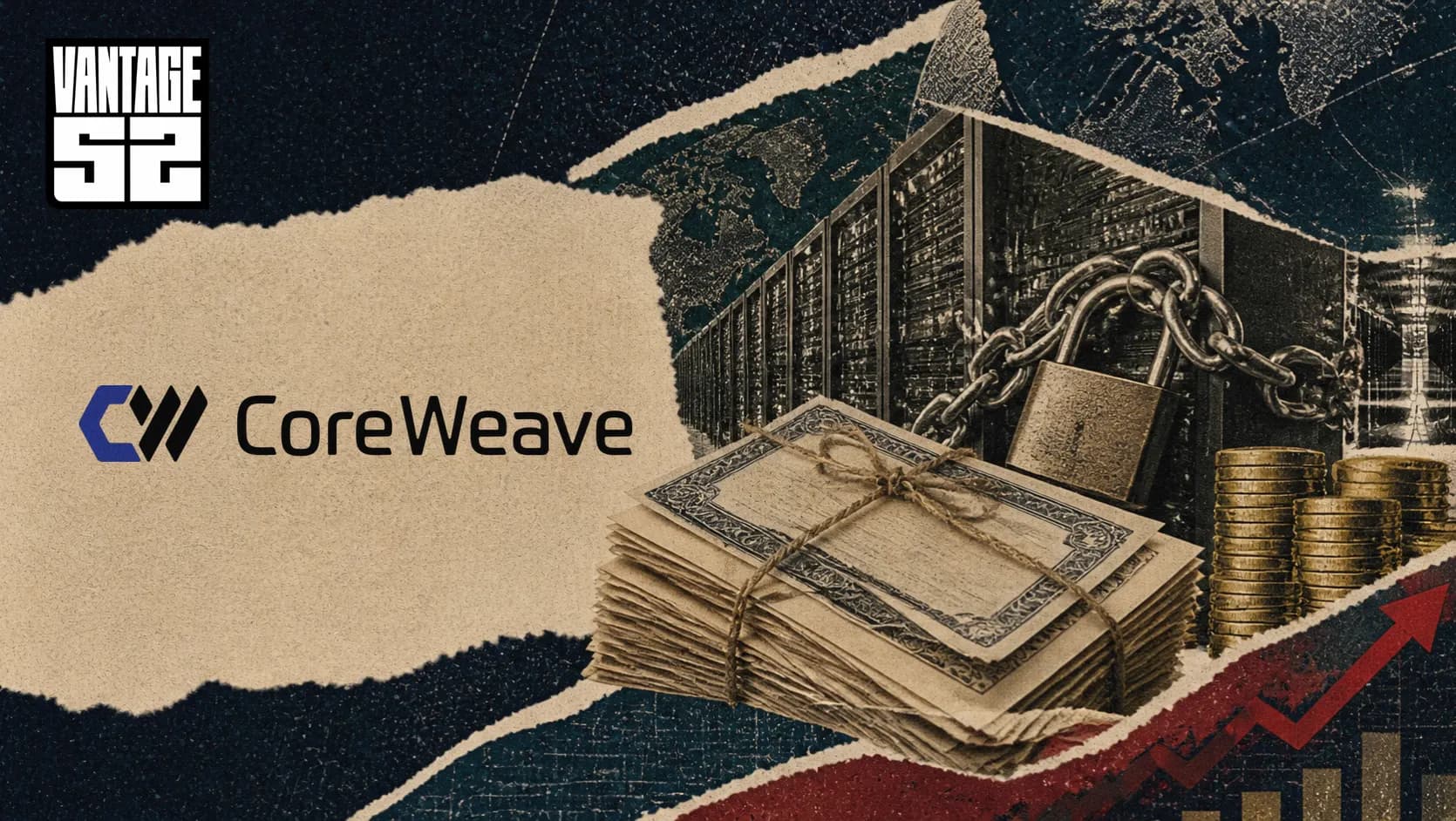
Nebius and CoreWeave Turn to Prepayments and Secured Loans to Fund AI Data Centres
Nebius expects prepayments and asset-backed loans to cover up to 85% of a 2027 spending plan of as much as $45 billion, while CoreWeave, with about $47 billion of debt, is reported to be arranging a $4 billion investment-grade loan.
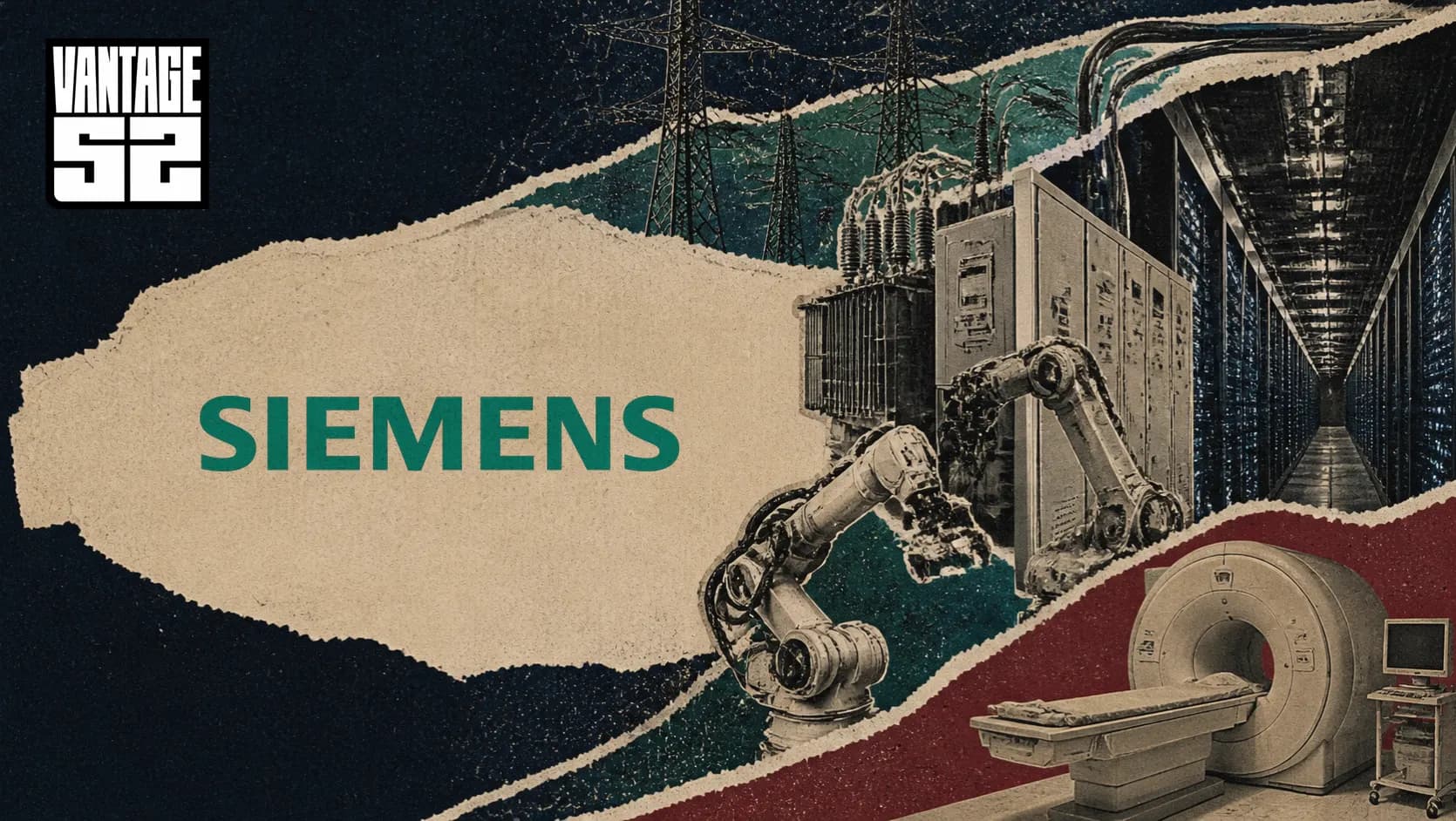
Siemens Books Record €108.2 Billion in Orders as Healthineers Spin-Off Nears a Vote
Data-centre orders above €8.5 billion helped lift the backlog to €143 billion. Shareholders vote in February on receiving one Healthineers share for every two Siemens shares, which would end Siemens’ majority control of its medical arm.
Blackstone Will Cover Up to $1.5 Billion of Costs for Pfizer’s Monthly Obesity Drug
The money for berobenatide runs through 2028 and caps what Blackstone pays towards trials. Blackstone earns milestone payments only if US regulators approve monthly dosing and sales targets are met, and it takes no stake in the drug.

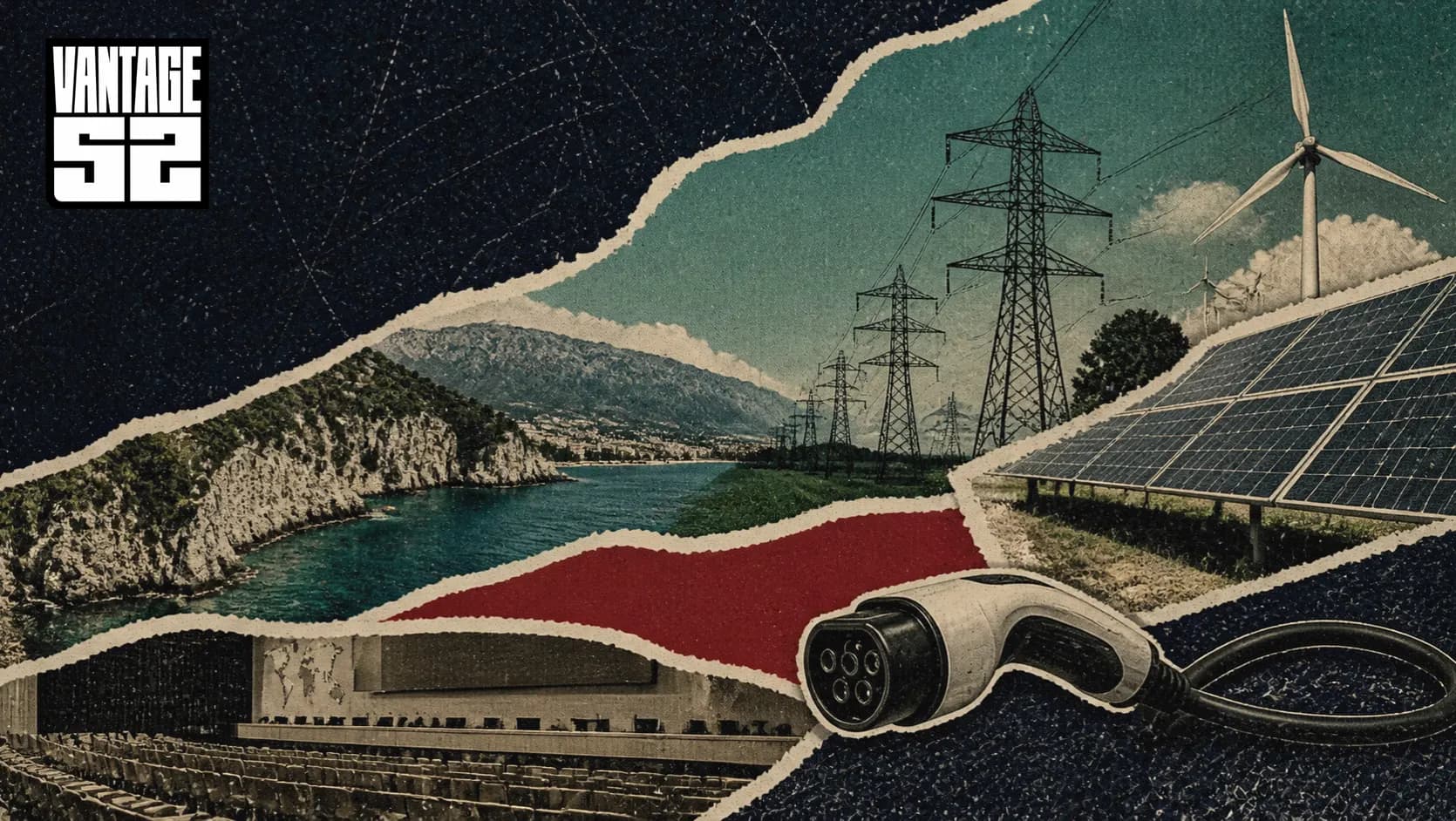
Türkiye’s 35 by 35 Pledge at COP31 Would Mean Electrifying Four Times Faster
By one count, at least 14 countries have backed the voluntary goal of lifting electricity from 23% to 35% of final energy by 2035. Saudi Arabia, Britain and Brazil have held back, and the bill falls on grids.
OpenAI Hits a $1.25 Trillion Valuation and Still Falls Short of What It Wanted
The company has taken in about $11 billion of a round once pitched at up to $30 billion, a sign that even the biggest names in artificial intelligence now face more cautious investors.
Greg Abel Spent $9.6 Billion Buying Berkshire Hathaway While Its Insurance Profits Sank
In the third quarter of his first year as chief executive, repurchases more than doubled and underwriting profit fell 43%, an early look at how Warren Buffett’s successor intends to use one of the largest cash piles in business.
Continue Exploring
Follow VANTAGE52 for continuing coverage of markets.