
Novo’s $1.4 Billion Bet on the Future of Oral Drugs
Novo Nordisk is backing Orbis Medicines in a deal worth up to $1.4 billion, betting that AI-enabled drug discovery can help turn traditionally injectable treatments into oral medicines.
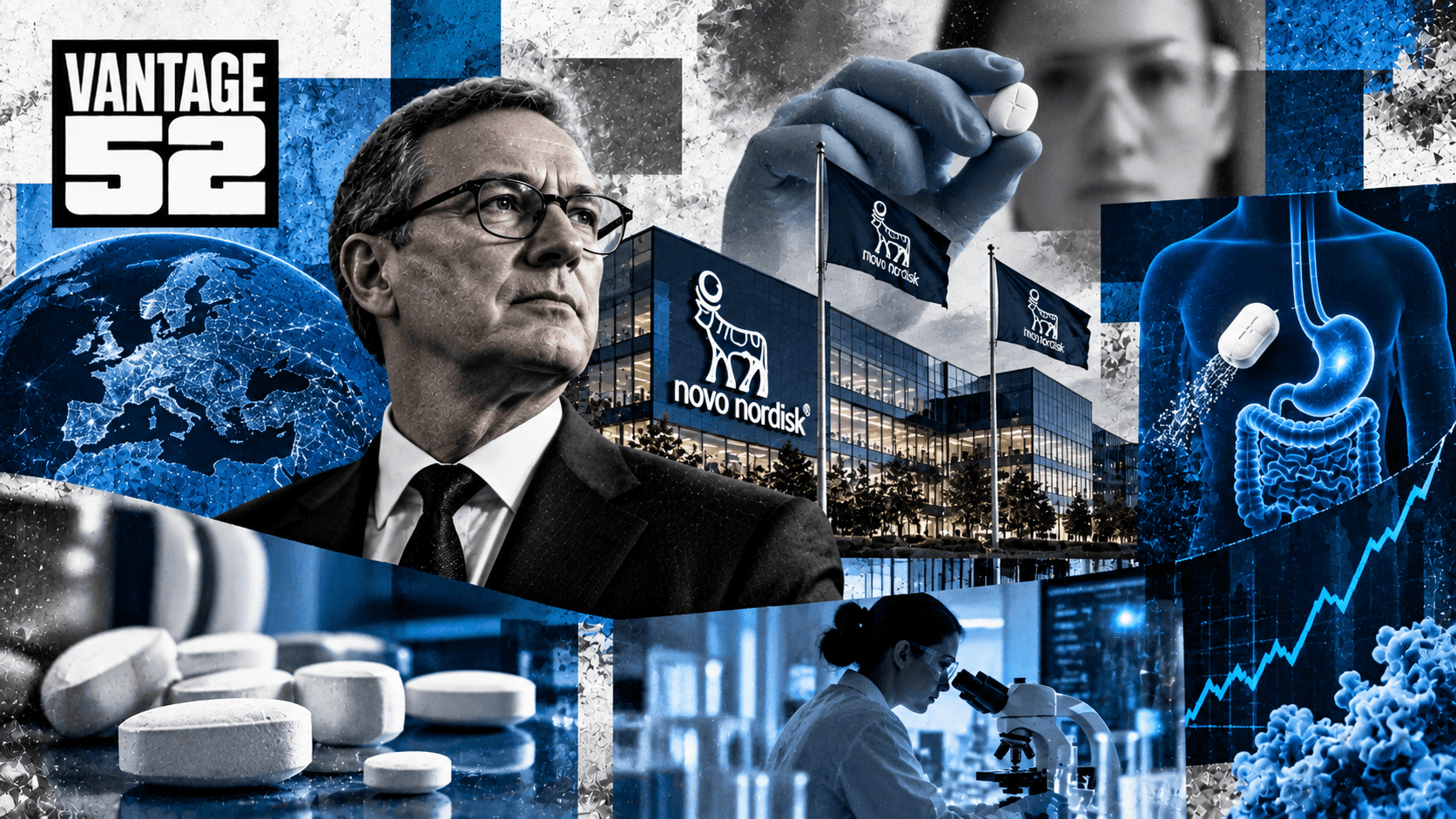
The pharmaceutical industry is investing heavily in technologies that could change not only which drugs reach patients, but also how those medicines are delivered.
Novo Nordisk is the latest major drugmaker to make such a bet.
The Danish pharmaceutical giant has signed a drug discovery and licensing agreement worth up to $1.4 billion with Swiss biotech company Orbis Medicines to develop oral therapies for cardiometabolic diseases, according to Reuters. Novo will also make a strategic investment in the privately held company.
The deal combines Novo's pharmaceutical development capabilities with Orbis' technology platform, which uses AI to discover macrocycles, a class of molecules that could potentially enable medicines traditionally delivered by injection to be taken orally. For an industry built around blockbuster injectable therapies, that could have significant commercial implications.
The Business Behind Oral Medicine
The attraction is straightforward. Injectable medicines can be highly effective, but they require patients to administer or receive treatment through an injection. An oral alternative could potentially make treatment easier to use and broaden access, depending on the drug, clinical results and regulatory approval.
For pharmaceutical companies, however, developing an oral version of a complex therapy is scientifically difficult. Orbis' nGen platform is designed to discover macrocycle molecules capable of interacting with biological targets that can be difficult to address with conventional small-molecule drugs. The company says its platform combines computational approaches with experimental biology to identify potential drug candidates.
Novo is now putting capital behind that approach. The agreement includes upfront and milestone payments to Orbis, as well as tiered royalties on future product sales. The companies did not disclose the size of Novo's strategic investment or how the potential $1.4 billion value is divided between payments and milestones.
Why Novo Is Making the Bet
Novo Nordisk has built one of the world's most valuable pharmaceutical franchises around metabolic disease. Its success with GLP-1 medicines has transformed the economics of obesity and diabetes treatment and made the company one of the central players in the global race for next-generation metabolic therapies.
But the competitive environment is changing rapidly. Drugmakers are searching for new mechanisms, new delivery methods and new generations of therapies that can extend beyond today's injectable treatments. That creates an incentive to invest earlier in technologies capable of producing differentiated drug candidates.
The Orbis deal gives Novo access to another discovery platform without having to build the entire technology internally. For Novo, that approach can provide exposure to potentially important scientific capabilities while allowing the company to focus its internal resources on development, clinical research and commercialization.
AI Moves Deeper Into Drug Discovery
The agreement also reflects a broader shift across pharmaceutical research. AI is increasingly being used to identify biological targets, design molecules, predict drug properties and accelerate parts of the research process.
The Orbis deal represents another version of that strategy. Rather than treating AI as a standalone software tool, pharmaceutical companies are increasingly combining computational models with laboratory research and drug-development expertise. The objective is not simply to generate more molecules, but to improve the process of identifying candidates that can eventually become viable medicines.
That distinction matters because discovering a promising molecule is only the beginning. A candidate still needs laboratory validation, clinical trials and regulatory approval before it can become a medicine. AI can potentially accelerate parts of that process, but it does not remove the scientific and regulatory barriers that determine whether a drug ultimately reaches patients.
The $1.4 Billion Is Not Guaranteed
The headline figure should also be interpreted carefully. The agreement is worth up to $1.4 billion, rather than $1.4 billion in guaranteed upfront funding. A significant portion of pharmaceutical transactions of this type is typically linked to development and regulatory milestones.
That means the eventual value of the transaction will depend on whether the research produces viable drug candidates and whether those candidates successfully move through clinical development. The structure also allows Novo to commit capital to a promising technology while limiting the immediate financial exposure associated with a full acquisition.
For Orbis, the deal provides access to financial resources and pharmaceutical expertise that can help advance its platform and potential drug candidates. For Novo, it provides exposure to a potentially valuable technology without requiring the company to acquire the entire biotech.
A New Layer of Competition in Pharma
Novo's agreement with Orbis arrives as pharmaceutical companies increasingly compete for promising biotechnology assets. Earlier this month, GSK agreed to pay up to $750 million for a cancer-targeting drug from China's Chimagen Biosciences, another example of a major pharmaceutical company gaining access to emerging biotechnology rather than developing every technology internally.
At the same time, biotech IPO activity is returning to the market. Retension Pharmaceuticals and TRex Bio filed for U.S. IPOs on September 18, with Reuters reporting that a wave of acquisitions by major drugmakers has helped support renewed investor interest in biotech.
The broader pattern is becoming increasingly visible across the pharmaceutical industry. Large drugmakers are using licensing agreements, strategic investments, partnerships and acquisitions to gain access to technologies that could generate the next generation of medicines. For smaller biotechnology companies, that creates potential pathways to capital and commercialization without requiring them to build global pharmaceutical operations themselves.
From Injection to Pill
The Orbis agreement ultimately reflects a much larger shift in the pharmaceutical industry. The next generation of blockbuster drugs may not be defined only by what they treat. Their commercial value could also depend on how easily patients can take them and how effectively pharmaceutical companies can deliver complex therapies outside traditional injection-based formats.
If oral versions of complex therapies can be developed successfully, the impact could extend across patient convenience, treatment adherence, manufacturing and pharmaceutical competition. A successful oral therapy could also change the commercial dynamics of entire treatment categories where injectable medicines currently dominate.
For Novo Nordisk, the Orbis deal is therefore more than a $1.4 billion licensing agreement. It represents a strategic investment in the possibility that the next phase of pharmaceutical innovation will come from combining AI-driven discovery, advanced molecular science and more convenient drug delivery.
Tags
Key Concepts
Sources
Where the reporting above comes from. Follow these to check the figures and statements for yourself.