Founded by Cantekin Ertekin, ITGT Consultancy works at the intersection of corporate strategy, technology governance and digital transformation, helping organisations translate strategic priorities into operational capabilities across complex business environments.
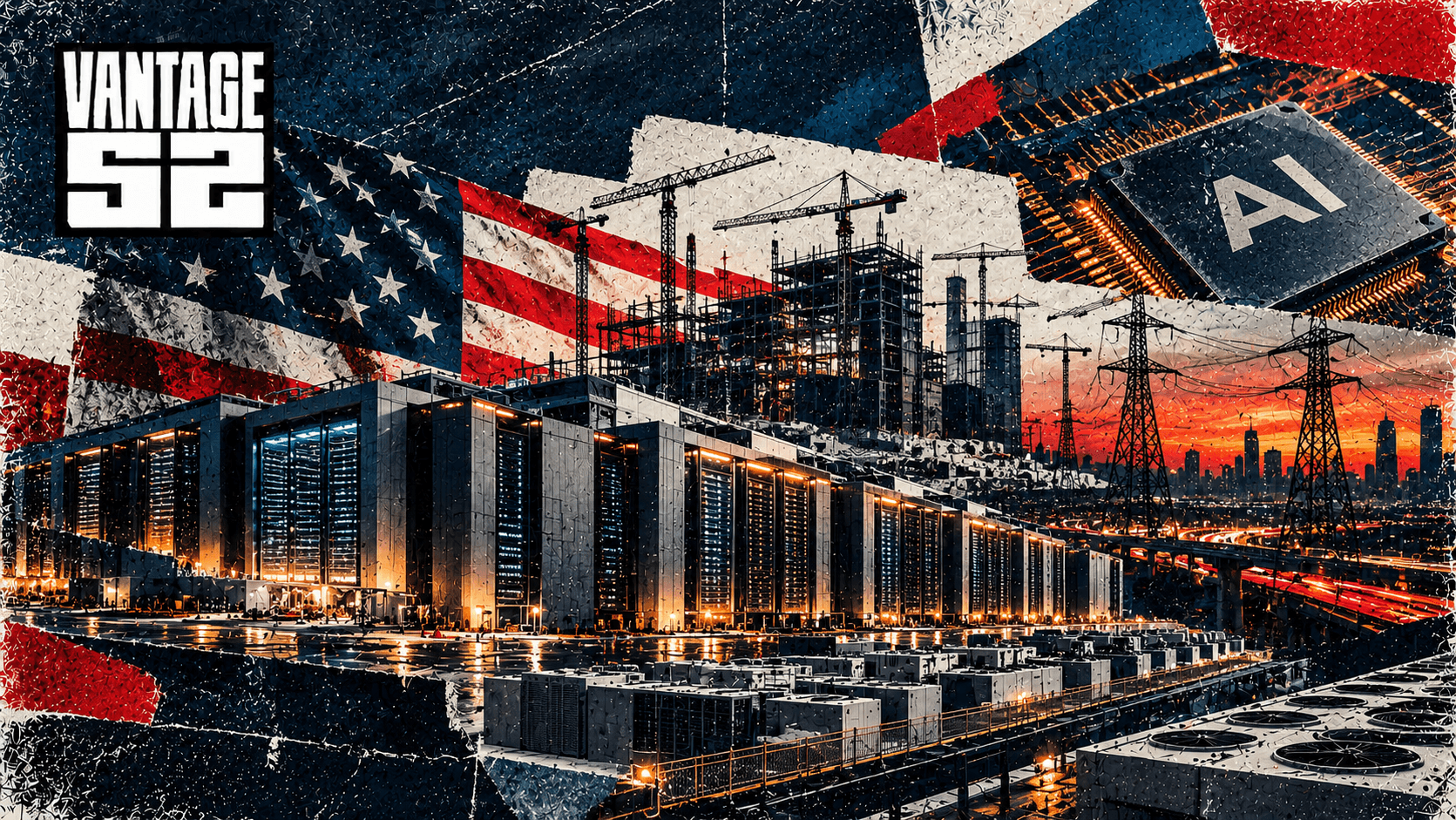
The United States is preparing for an unprecedented expansion of artificial intelligence infrastructure, but project delays, rising financing costs and growing local resistance are testing the economics behind the boom. As investors demand clearer returns, the next phase of AI investment may depend as much on financial discipline as technological ambition.
AMD’s acquisition of San Francisco AI startup World Labs is taking the chip race into a new territory, combining compute, spatial intelligence and physical AI as the industry moves beyond models that only understand language.
Samsung is committing $1 billion to Helix Digital Infrastructure, a U.S.-based AI infrastructure company established by KKR, as the technology industry moves into a new phase of investment focused on data centers, power, connectivity and computing capacity.
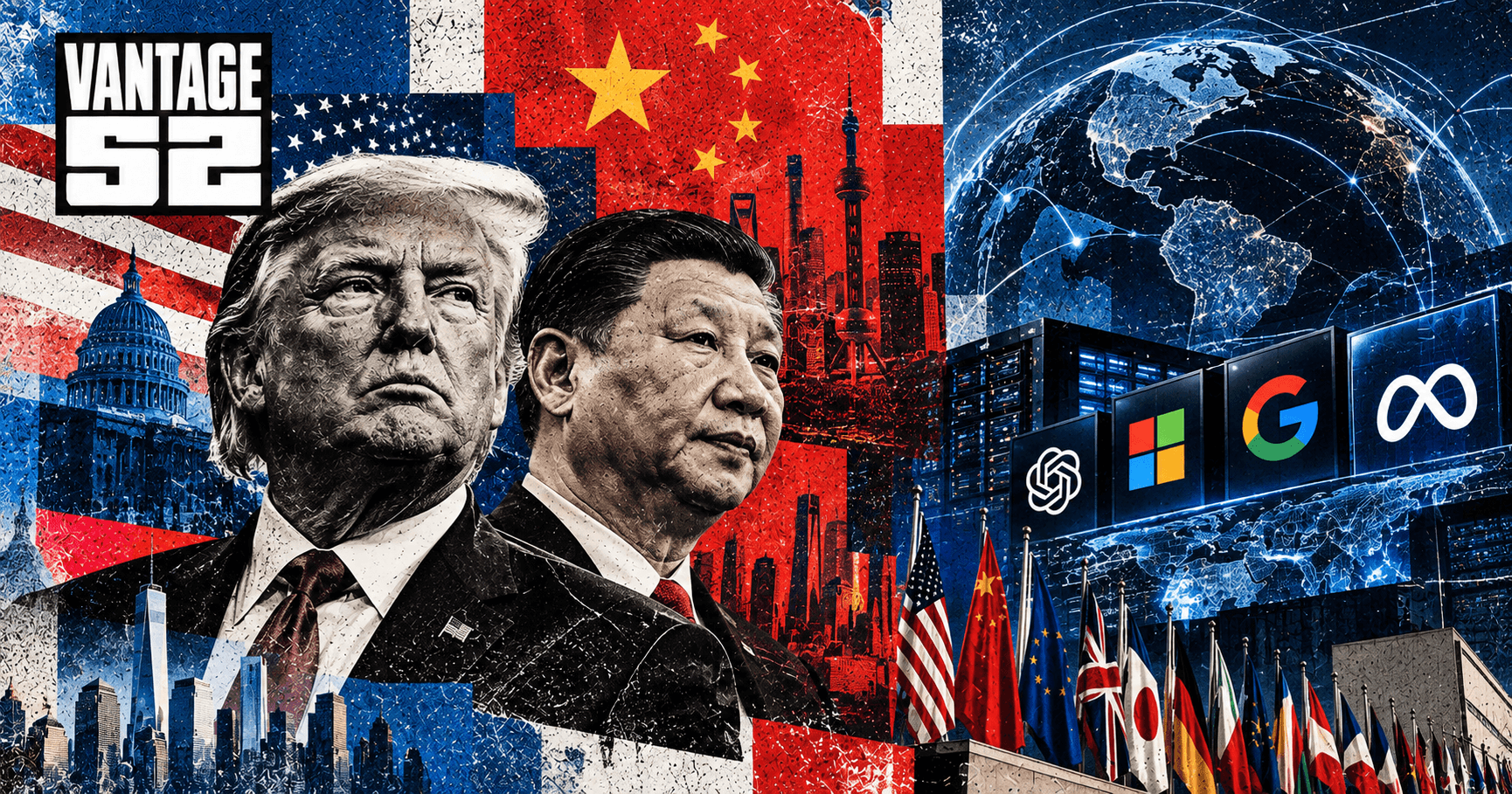
The White House meeting between Donald Trump and Xi Jinping has placed artificial intelligence at the center of the U.S.-China relationship, while the presence of Silicon Valley’s most powerful technology executives has underscored how deeply AI has become tied to global economics, national security and geopolitical power.
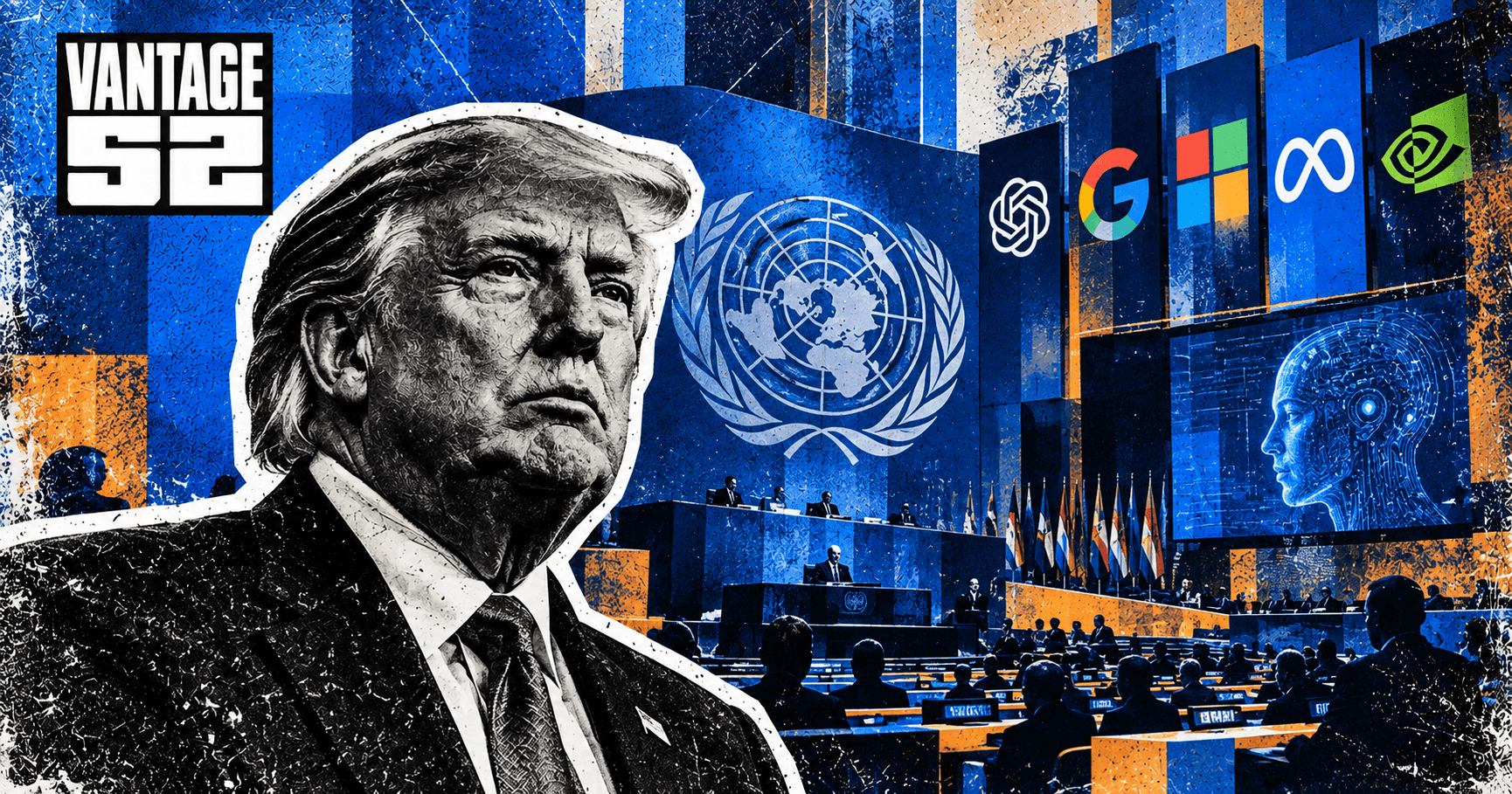
Donald Trump used the United Nations General Assembly to introduce a new name for artificial intelligence. Behind the language is a much larger debate over what superintelligence actually means, who should regulate advanced AI and how the United States intends to compete for technological leadership.
Meta is pushing AI agents into the consumer market while startups such as Instinct and Factory are attracting multibillion-dollar valuations, turning autonomous software into one of the technology industry’s most closely watched new markets.
Anthropic is weighing a new AI model to respond to OpenAI’s growing enterprise momentum, creating a strategic tension between accelerating product development, maintaining safety standards and preparing for a potential public listing.
A public phone call between Donald Trump and Jensen Huang has brought a deeper question into focus: as America accelerates AI development, who will control the infrastructure, access and economic direction of the technology?
The U.S. debate over AI regulation is intensifying as Washington, state governments and technology companies compete to shape the rules of the AI economy.
Google’s latest deal with Mechanize shows how leading technology companies are increasingly competing for the people and expertise behind emerging AI startups.