
MechaSFX And The Evolution Of Special Effects In Global Screen Productions
Fire, crashes, atmospheres and mechanical systems, engineered for film and television sets.
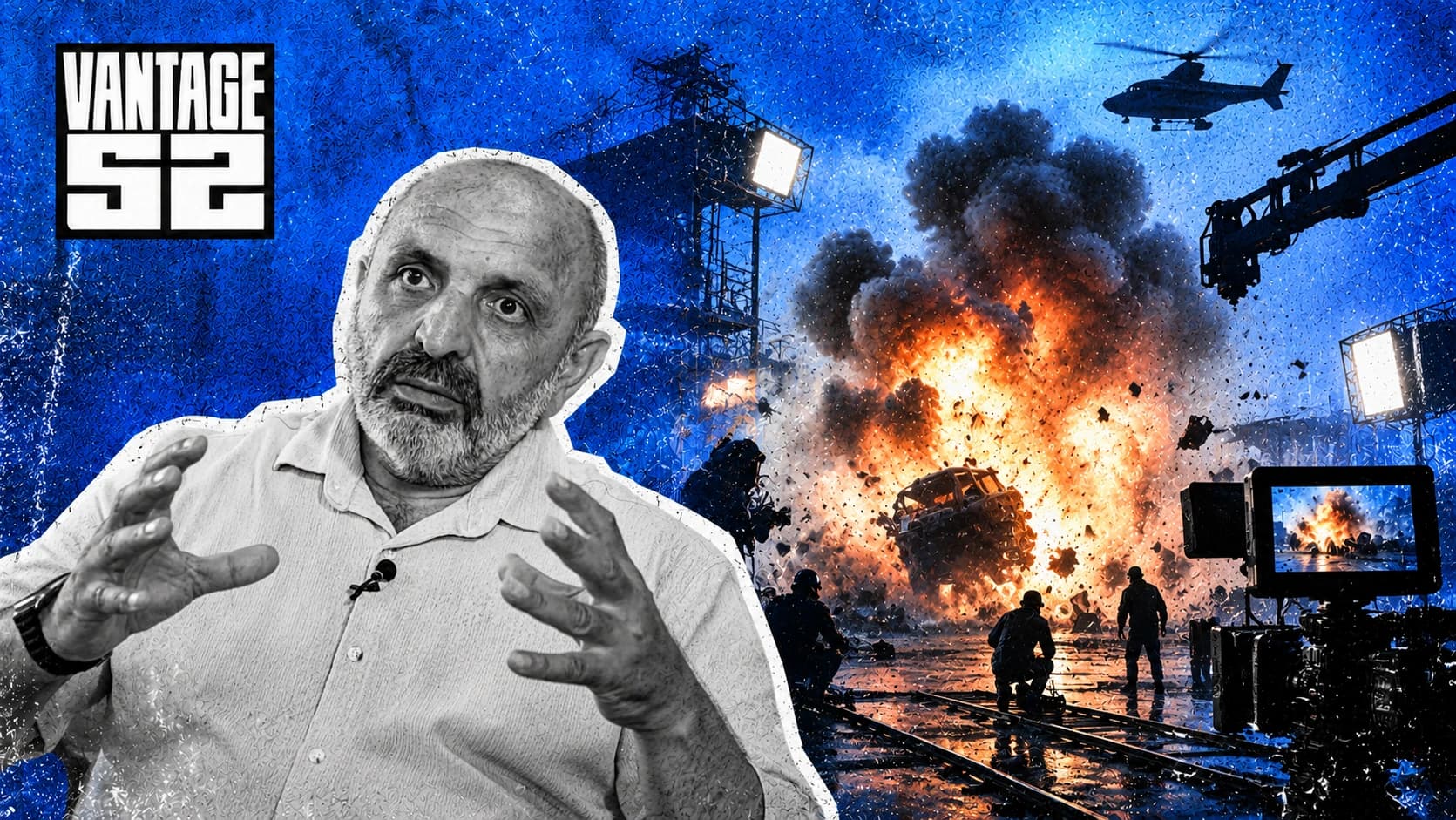
On screen, a complex action sequence can unfold in seconds. A vehicle overturns, fire fills the frame, smoke transforms the atmosphere of a location, an impact shakes the environment, or a mechanical system moves an object with precise timing. What audiences experience as a brief moment of cinematic spectacle can require extensive preparation, engineering, coordination and safety planning behind the camera. Special effects therefore occupy a distinctive position within filmmaking, connecting physical engineering and on-set execution with cinematography, production design, action direction and storytelling.
This technical dimension of filmmaking has become increasingly significant as screen productions have expanded across international markets. Film and television projects are developed, financed, produced and distributed through increasingly interconnected production networks, while streaming platforms have expanded the geographic reach of productions originating from different countries. Within this environment, specialist effects companies have become part of the production infrastructure supporting filmmakers in the creation of complex physical environments, action sequences and cinematic effects.
Based in Turkiye, MechaSFX operates within this evolving production landscape, providing special effects services across film, television and commercial productions. Its areas of work include atmospheric effects, fire effects, explosions, vehicle and crash effects, mechanical systems, flying effects, props and animatronics. The company's multidisciplinary team includes special effects specialists, industrial designers, mechanical engineers and professionals working in action direction, creating a technical structure that connects engineering expertise with the practical demands of the set.
Where Do Special Effects Become Part Of The Production Process?
The work of an SFX department begins long before an effect appears in front of a camera. A sequence involving smoke, rain, wind, fire, impact or mechanical movement can affect several departments simultaneously. The cinematographer needs to understand how the effect will interact with lighting and camera movement. Production design has to accommodate the physical requirements of the effect. Stunt and action departments need to coordinate movement and safety. The SFX team must design and prepare the technical system that allows the scene to function as intended.
This interdependence has made special effects an increasingly integrated discipline within modern screen production. An effect may remain visible for only a few seconds, while its preparation can involve design, fabrication, equipment testing, rehearsals and coordination between multiple departments. For productions involving demanding action sequences, this preparation becomes even more extensive because timing, reliability and safety have to remain consistent throughout the shooting process.
MechaSFX operates across several of these technical requirements. Atmospheric effects can establish weather and environmental conditions, while mechanical systems can produce controlled physical movement within a scene. Fire effects and other high-intensity sequences require specialised preparation and coordination, while prop and animatronic applications introduce engineering requirements into production design. Each discipline contributes a different technical layer to the final image.
The distinction between what happens on camera and what happens behind the camera is particularly relevant to understanding the SFX profession. Audiences experience the finished sequence as part of a narrative. Production teams experience the same sequence as a technical operation involving equipment, personnel, timing, communication and safety. The ability to translate a creative requirement into a reliable physical system is therefore central to the role of an SFX company.
How Has MechaSFX Entered The International Screen Production Landscape?
The development of MechaSFX can also be viewed within the wider internationalisation of Turkiye's film and television sector. Turkish productions have increasingly reached audiences outside the domestic market through theatrical distribution, international television sales and global streaming platforms. This expansion has created a production environment in which local technical expertise can become part of projects with international distribution.
One of the productions associated with MechaSFX is The Gift, the Netflix series starring Beren Saat, Mehmet Gunsur and Metin Akdulger. Members of the MechaSFX team are credited in the production's special effects department across multiple episodes. Hamza Sahin is credited in special effects coordination and supervision roles, while Batuhan Sahin and other members of the team appear in additional special effects positions.
The significance of these credits extends beyond the individual production. The Gift was released through Netflix and became accessible to audiences across multiple international markets. For a technical department, working on a globally distributed series means operating within a production environment whose finished material is intended for audiences far beyond the domestic market. Special effects therefore become part of an international production chain in which technical departments contribute to content distributed across territories and platforms.
MechaSFX has also participated in Turkish feature-film productions with substantial technical requirements. Its special effects personnel are credited on Arif V 216, including Hamza Sahin as special effects coordinator alongside other members of the MechaSFX team. The production demonstrates another dimension of the company's work, where special effects are integrated into a feature-film environment that combines physical effects, production design and large-scale cinematic staging.
The company's credits across film and television also include productions such as Love 101, Respect, The Club, The Shadow Team, Warrior and Money Trap. These projects represent different genres and production requirements, illustrating the range of environments in which special effects teams operate. SFX work can become relevant to drama, action, period productions, commercial campaigns and productions requiring specialised physical environments.
What Defines The Technical Structure Behind MechaSFX?
The technical character of MechaSFX is closely connected to its multidisciplinary organisation. Special effects often require knowledge that crosses conventional departmental boundaries. Mechanical systems can require engineering expertise. Physical props can involve industrial design. Action sequences can require coordination between effects specialists, stunt performers and camera departments. Atmospheric effects can influence lighting, sound, continuity and the visual language of a scene.
This structure becomes particularly relevant when an effect has to be repeated during a shooting schedule. A cinematic effect cannot be considered successful simply because it works once. Production requirements can involve multiple takes, camera adjustments and changes in blocking. The technical system must therefore operate with consistency while remaining adaptable to the requirements of the director and other departments.
Hamza Sahin represents one of the central figures associated with this technical structure. MechaSFX identifies Sahin as an SFX Coordinator, and his production credits include special effects roles on The Gift and Arif V 216. His work reflects the coordination required between technical effects and the broader production environment, where creative requirements have to be translated into practical on-set solutions.
The presence of specialised personnel across different areas of production is also significant because the SFX department frequently operates under time pressure. Shooting schedules are tightly structured, locations have defined access periods, and complex equipment has to be prepared and cleared within specific windows. The effects team therefore works within an environment where technical preparation and production logistics are closely connected.
How Are Special Effects Changing Alongside Digital Production?
The contemporary screen industry is often associated with CGI, virtual production and increasingly sophisticated digital visual effects. These technologies have transformed the way filmmakers construct environments and action sequences. Yet physical effects continue to have a distinct role within the production process.
Smoke, rain, wind, fire, physical impacts, mechanical movement and tangible interaction between performers and objects create conditions that exist directly within the shooting environment. They can interact with light, lenses, costumes, production design and performers in ways that become part of the captured image. In many productions, physical effects and digital post-production can therefore exist within the same sequence, with each discipline contributing to the final visual result.
This has created a more interconnected relationship between SFX and other technical departments. A modern effects team may collaborate with cinematographers, stunt coordinators, production designers, visual effects artists and virtual production specialists. The boundaries between these disciplines can become increasingly collaborative as filmmakers combine physical and digital techniques to achieve a specific visual objective.
MechaSFX's participation in Netflix Turkiye's “Safe and Effective Action Management” workshop in 2025 reflects another dimension of this professional environment. Action production requires close attention to coordination, operational planning and safety, particularly when physical effects and performer movement are involved. The increasing professionalisation of these processes demonstrates how special effects have developed into a specialised technical discipline within the wider production ecosystem.
Why Does Technical Expertise Matter To Global Screen Production?
The international screen industry depends on a network of specialised professionals and companies capable of contributing to productions with different creative and technical requirements. While audiences often associate a film with its director, actors, cinematography or visual effects, a significant part of the final image depends on technical departments operating behind the scenes.
Special effects represent one of those departments. Their work can influence the physical atmosphere of a location, the movement of an object, the intensity of an action sequence or the realism of a particular moment. When these elements function successfully, the technical process becomes almost invisible to the audience. That invisibility is part of the discipline itself. The more naturally an effect integrates into the scene, the less attention the viewer may give to the complex operation that produced it.
MechaSFX provides an example of how this technical discipline has developed within Turkiye and how its work has become connected to productions distributed through international platforms. Its involvement in film, television and commercial projects illustrates the breadth of the contemporary SFX field, while its multidisciplinary team structure reflects the growing technical requirements of modern screen production.
A Turkish SFX Company Within A Global Production Ecosystem
The evolution of MechaSFX mirrors a broader transformation taking place across the screen industries. Special effects have developed from an isolated technical service into an integrated component of production planning, requiring engineering knowledge, creative interpretation, on-set coordination and rigorous operational standards.
For audiences, the result may occupy only a few seconds of screen time. For the production team, those seconds can represent extensive technical preparation and coordination. The work of companies such as MechaSFX illustrates the specialist infrastructure operating behind contemporary cinema and television, an infrastructure increasingly connected to international production networks and global distribution platforms.
As screen production continues to evolve, the relationship between physical effects, digital technologies and engineering will become increasingly interconnected. Within that changing landscape, the expertise of specialised SFX teams remains an essential part of transforming a creative concept into a physical cinematic reality.
MechaSFX's trajectory offers a perspective on that transformation, from its work within Turkiye's production sector to its participation in screen projects reaching audiences through an increasingly global media environment. Its story also reflects a wider shift within the industry, where technical expertise developed within individual production markets can become part of an international ecosystem shaped by streaming, cross-border production and increasingly sophisticated expectations for screen content.
Tags
Key Concepts
Sources
Where the reporting above comes from. Follow these to check the figures and statements for yourself.